Current Projects
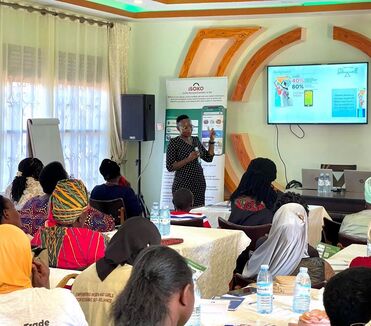
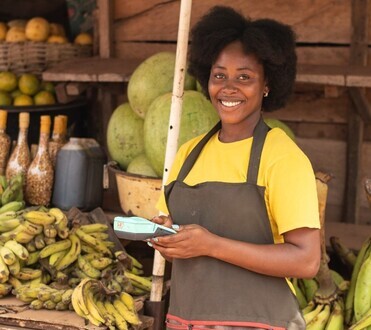
GENA is engaged by East Africa Market Development Associates (EAMDA) under TradeMark Africa’s Women and Youth Economic Empowerment in Fisheries (WYEEFIMA) programme to lead Knowledge Management and Content Strategy across the fish value chain in Kenya, Uganda, Tanzania, and Zanzibar. The programme focuses on women and youth traders, processors, cooperatives, and digital market actors operating across Lake Victoria and the East African coast, and is anchored in the digitisation of fish trade through interconnected platforms—iSOKO, PropaData, and SICS—that together form a regional digital trade infrastructure.
GENA’s role spans the full programme lifecycle, including stakeholder mapping across four jurisdictions, designing the Knowledge Management and Content Architecture Framework, and providing strategic oversight for Phase II implementation. The work includes developing content systems for iSOKO, user engagement strategies, and sustainability frameworks to ensure long-term impact. A key focus is gender inclusion, particularly supporting women traders who make up 82% of iSOKO’s users, through targeted onboarding, peer learning networks, and engagement strategies that ensure continued participation as the platform scales across a trade corridor supporting nearly 2 million livelihoods.
GENA, operating under the Business Environment and Export Enhancement Programme (BEEEP) funded by the European Union, is supporting TradeMark Africa and the County Government of Makueni to design and implement a Market Information System (MIS) for the mango value chain. With Makueni producing around 245,000 metric tonnes of mangoes annually—over 40% lost to post-harvest waste—the programme is establishing a horticultural Export Supply Hub (ESH) to enable aggregation, cold storage, processing, and certification, linking farmers to global markets, particularly the EU. The MIS serves as the digital backbone of this system, connecting farmers, cooperatives, exporters, and buyers while integrating iSOKO to ensure access to regional and international markets.
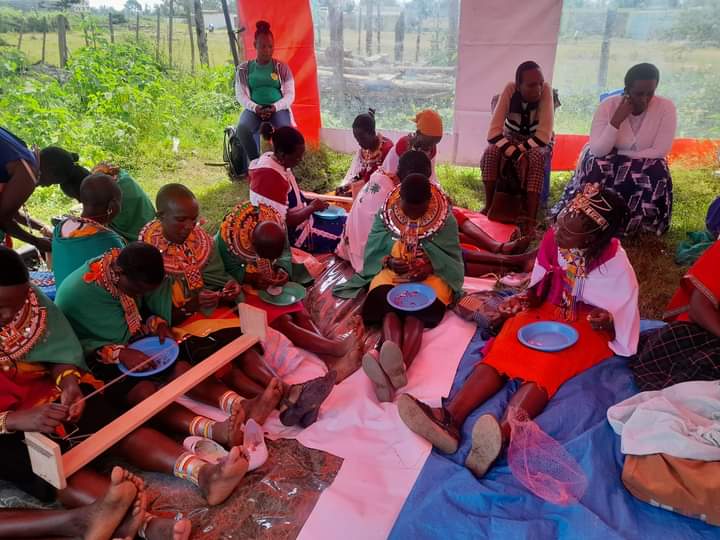
GENA’s role as Business Analyst consultant spans digital needs assessment, stakeholder requirements documentation, iSOKO rollout, and MIS implementation across all six sub-counties. This includes baseline assessments, co-creation workshops with value chain actors, and delivering digital literacy and onboarding training for extension officers, youth agripreneurs, and farmer representatives. With a strong focus on digital inclusion, the programme ensures women, youth, and marginalised farmers are integrated into the system, while also laying the groundwork for replication in other counties as iSOKO expands its inland agricultural reach.
GENA is engaged under the Sustainable and Inclusive Trade in Africa (SITA) Programme to advance digital inclusion among women and youth informal cross-border traders along key Northern Corridor border points, including Malaba, Lwakhakha, and Suam. As part of TradeMark Africa’s broader effort to strengthen regional integration, the programme addresses the realities of informal trade, which accounts for up to 60% of intra-African trade and supports a significant share of border livelihoods. Women dominate this space yet face systemic barriers including limited access to information, inconsistent border procedures, and exposure to harassment. GENA’s work focuses on bridging these gaps, particularly through improving access to and understanding of the EAC Simplified Trade Regime (STR), enabling traders to participate more confidently in formal trade systems.
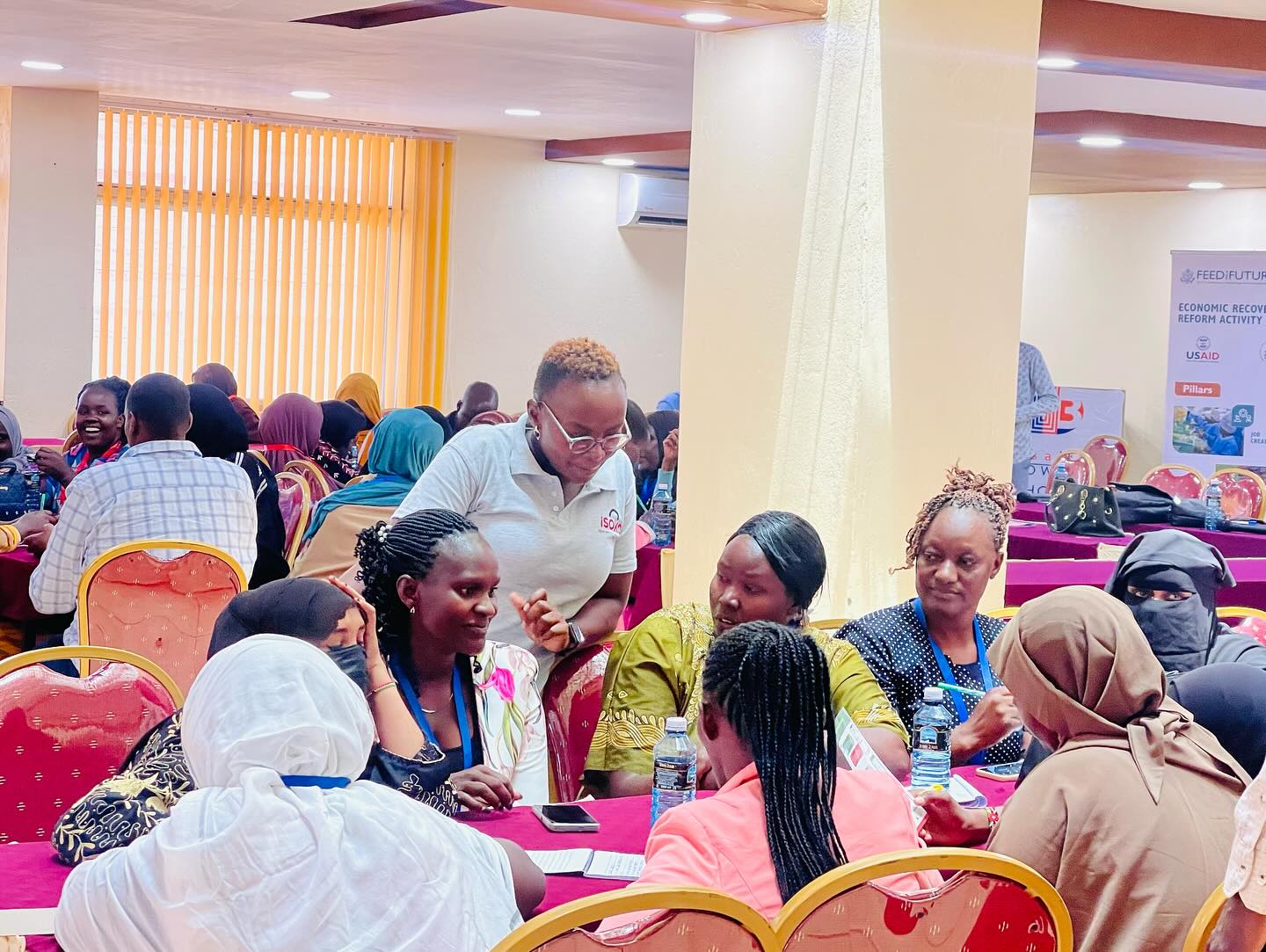
GENA’s engagement includes delivering digital literacy and onboarding programmes, strengthening trader organisations, and integrating digital tools into everyday trading practices. Working closely with trader associations and border support structures, the approach builds peer networks that sustain knowledge and usage beyond initial interventions. A strong gender lens underpins the work, addressing not only access to digital tools but also the broader social and economic constraints that shape participation, ensuring women and youth traders can engage safely, effectively, and at scale in regional trade.