

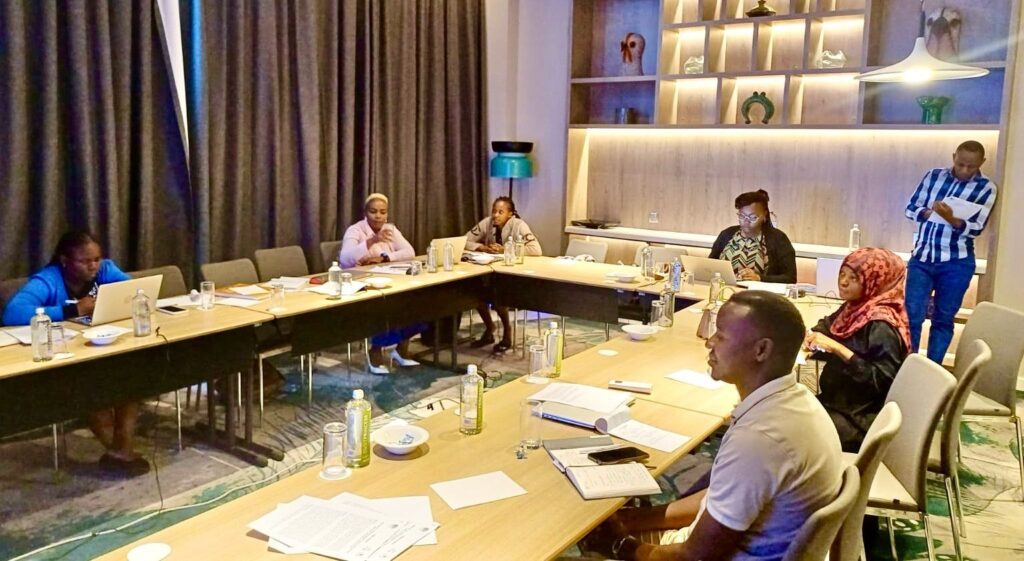
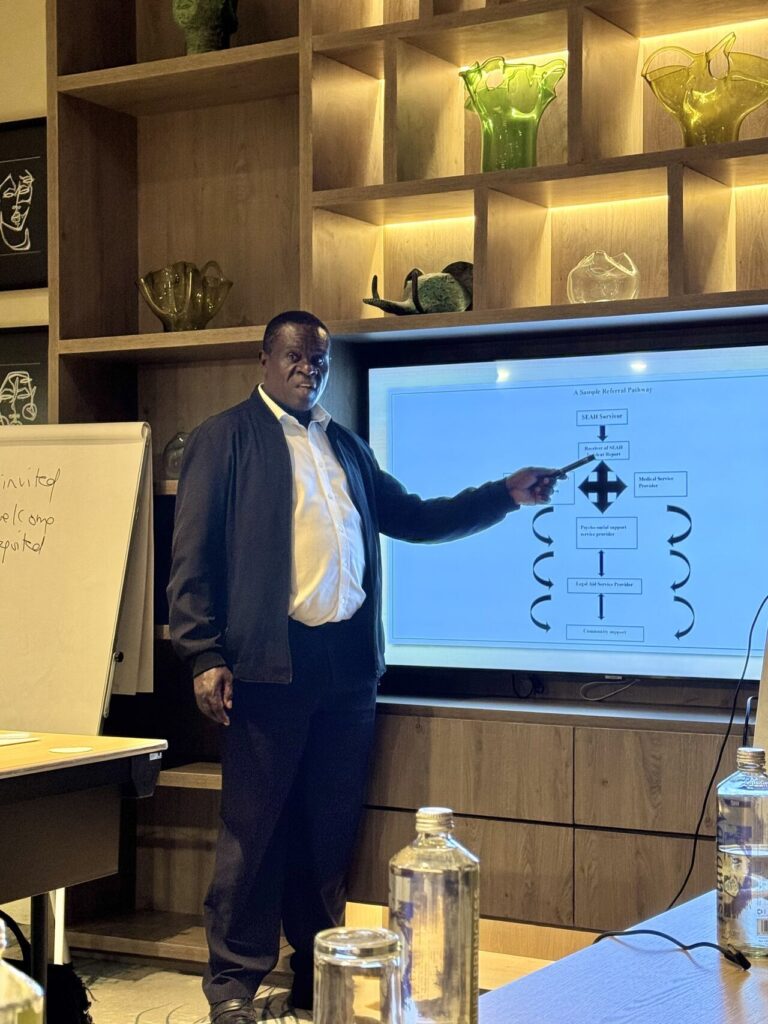
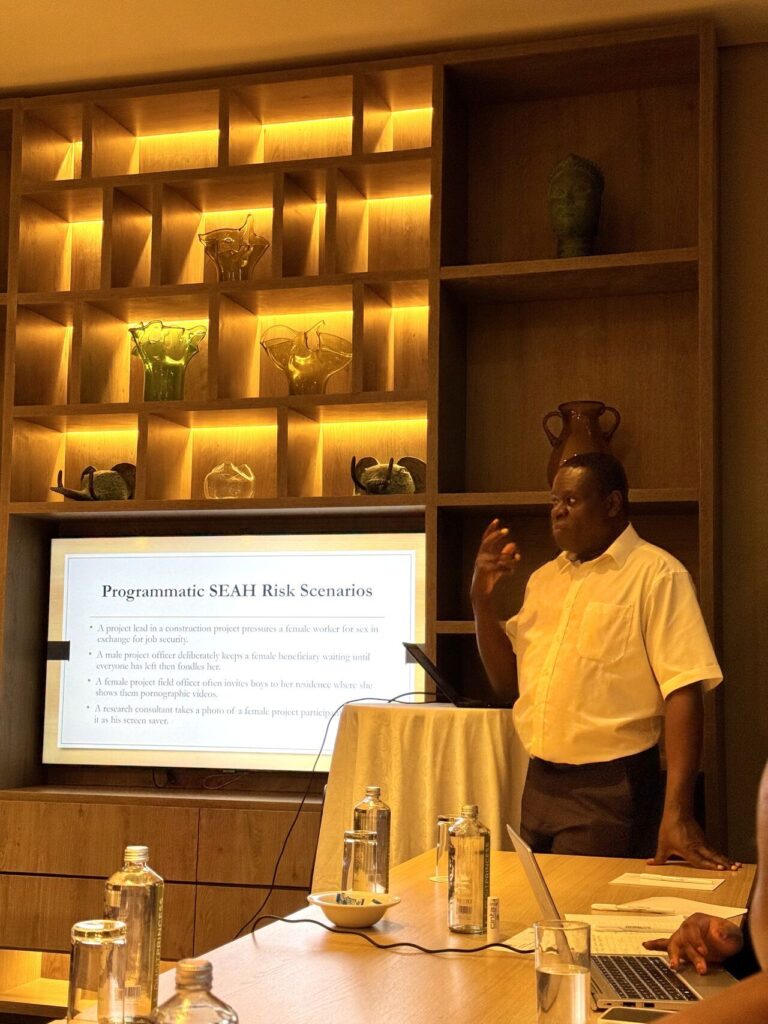
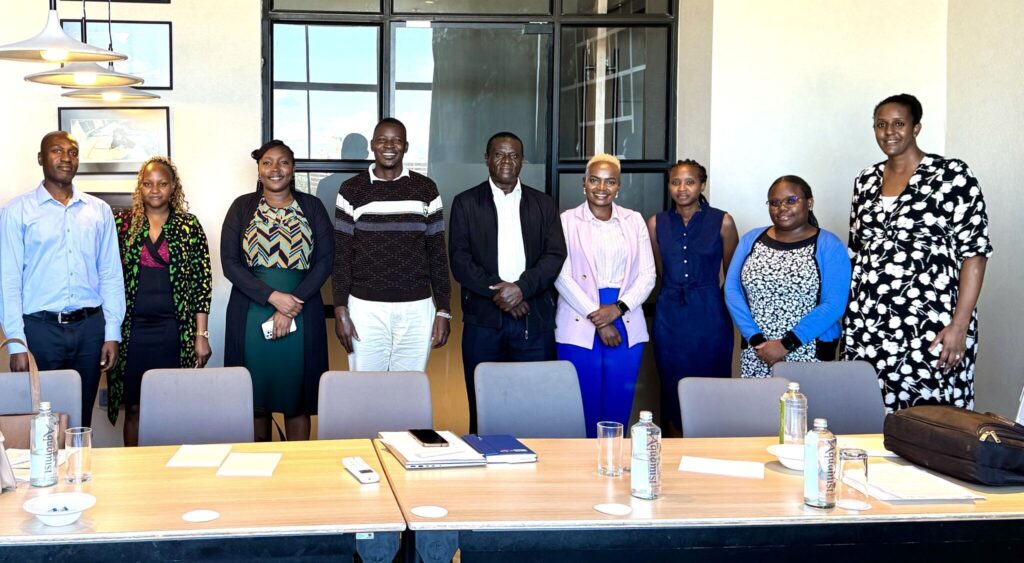
I recently had the privilege of attending an intensive safeguarding training session facilitated by Dr. Okumba Miruka—one of the region’s most respected champions of gender equality and social protection.
It was one of those sessions that stays with you long after it ends.
One key takeaway that continues to sit with me is this:
That single statement reframed how I think about development, inclusion, and even market systems.
Safeguarding in Practice, Not Theory
As part of the Women and Youth Economic Empowerment in Fisheries through Inclusive Market Access (WYEEFIMA) programme, we took a deeper look at how safeguarding plays out in real, everyday contexts.
This wasn’t abstract.
We unpacked how sexual exploitation, abuse, and harassment (SEAH) continue to shape realities in the fisheries sector—especially in practices like “sex-for-fish,” where access to resources is tied to exploitation.
These are not isolated issues. They are systemic.
And often, they are sustained by silence.
The Hidden Layer of Market Systems
One of the most powerful insights from the training was understanding that SEAH can exist at every stage of the value chain.
From access to fish…
to processing…
to market distribution…
At each level, there are power dynamics that can either enable inclusion—or reinforce harm.
We also explored:
- How cultural silence allows harmful practices to persist
- Why safeguarding must be lived, not just written in policy documents
- The growing importance of digital safeguarding in an increasingly connected world
- The need for survivor-centred approaches that prioritize dignity, not just reporting
Safeguarding Is Not Compliance
Too often, safeguarding is treated as a checklist.
A requirement.
A policy document.
A box to tick.
But this training made one thing very clear:
Safeguarding is not compliance.
It is:
- Protection
- Accountability
- Dignity in action
If people do not feel safe, they cannot participate fully.
And if they cannot participate fully, then empowerment efforts fall short.
Moving Forward: A Personal Commitment
I am walking forward from this experience better prepared, more grounded, and deeply committed to implementing projects that are:
- Safe
- Inclusive
- Gender-responsive
Because real empowerment only works when people can participate:
safely, equally, and without fear.
Let’s Keep the Conversation Going
If you’re working in development, fisheries, or inclusive market systems, safeguarding cannot be an afterthought—it must be central to how we design and implement programs.
Connect with us on LinkedIn https://www.linkedin.com/company/gena-strategy-consulting/posts/?feedView=all