

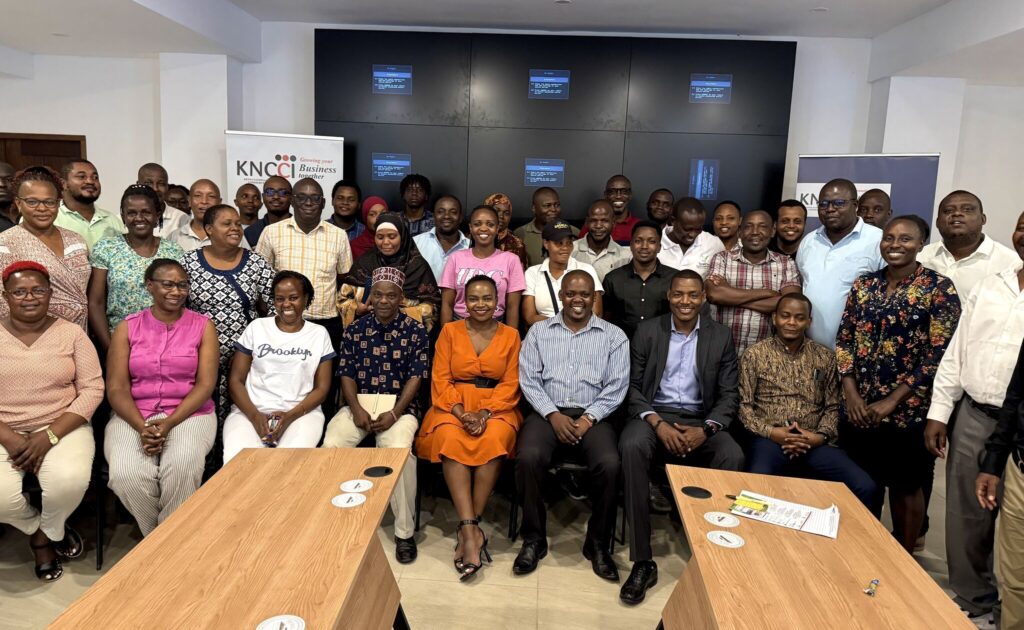
Imagine drawing the entire fisheries export system then inviting everyone responsible for it to critique it in real time.
That’s exactly what happened last week.
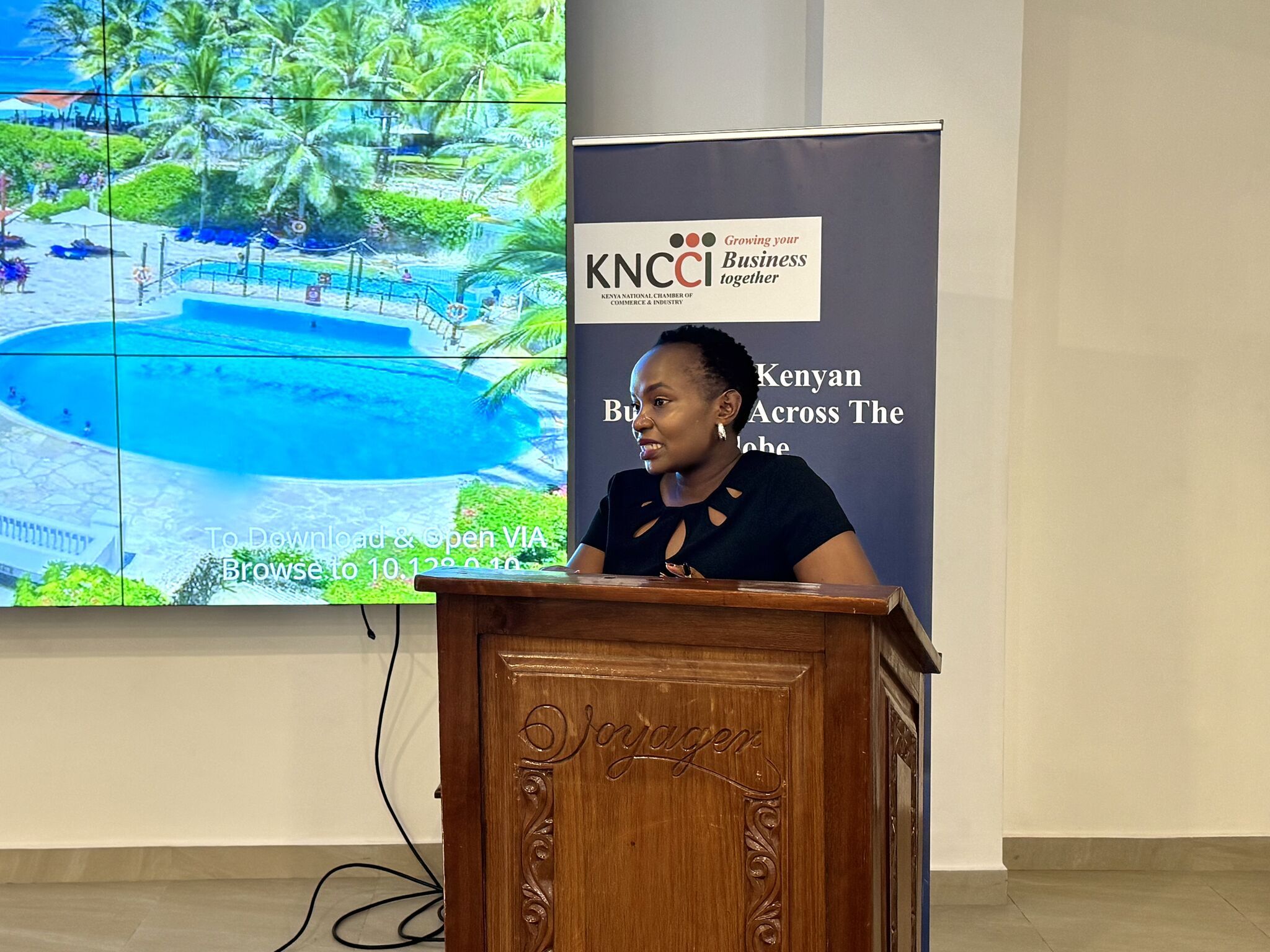
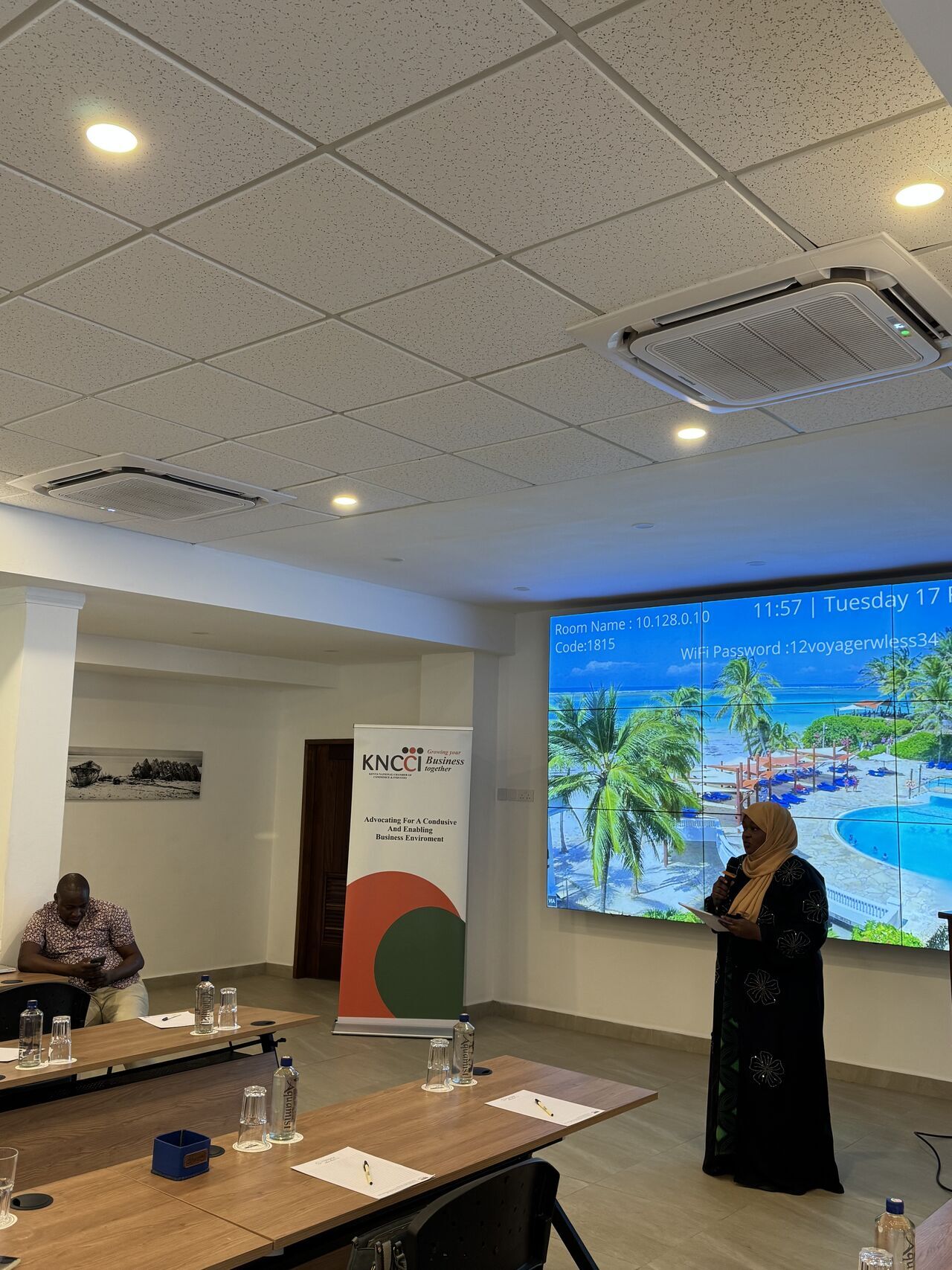
Through a convening led by EAMDA in partnership with the Kenya National Chamber of Commerce and Industry, SMEs, intermediaries, exporters, and value chain enablers came together to map their journey and uncover the real gaps behind the paperwork and processes.
This engagement was part of the Women and Youth Economic Empowerment in Fisheries through Inclusive Market Access (WYEEFIMA) programme, implemented by TradeMark Africa in collaboration with both private and public sector actors.
The Myth: “We Need More Markets”
One of the most striking insights from the session was this:
Not everyone needs a market.
Many exporters in the fisheries sector already have:
- Buyers across multiple international destinations
- Established relationships
- Confirmed orders
Demand exists.
What’s missing is something far more fundamental:
Consistent, quality-assured volume that meets export standards.
The Other Side of the Story
At the same time, many SMEs are operating from the opposite reality.
They have:
- The product
- The effort
- The willingness to grow
But they lack the map.
They struggle with:
- Visibility of market opportunities
- Clarity on certification pathways
- Access to digital systems that signal readiness
So what happens?
Exporters search for compliant supply.
SMEs search for markets.
Both sides are solving the same problem—without knowing the solution may be closer than they think.
The Bigger Question: Why Is Regional Trade Harder?
Another reality that stood out was this:
Exporters navigate Europe and Asia more confidently than they do regional African markets.
They understand:
- International SPS standards
- Global buyer expectations
- Export compliance systems
And yet, intra-African trade feels:
- Fragmented
- Uncertain
- Harder to navigate
It raises an important question:
How did crossing oceans become easier than crossing borders next door?
Is it:
- Fragmented policy implementation?
- Weak interoperability of systems?
- Limited infrastructure?
- Gaps in market intelligence?
Or all of the above?
The Cost of Disconnection in the Blue Economy
For the blue economy, this gap is not just technical—it’s economic.
Africa’s waters hold immense potential for:
- Youth employment
- Women-led enterprises
- Scalable trade opportunities
But potential alone does not translate into growth.
Without:
- Interoperable systems
- Seamless certification processes
- Strong aggregation models
- Real-time market intelligence
We risk leaving value in the water.
The Real Lesson: Trade Fails When Systems Don’t Align
If there’s one takeaway from this experience, it’s this:
Technology alone is not the solution.
And trade does not fail because opportunity is absent.
It fails when:
- Supply
- Demand
- Compliance
- Information
…move at different speeds.
Moving Toward Alignment
At WYEEFIMA, the focus is not on adding yet another platform—but on connecting what already exists.
Through solutions like iSOKO Africa, efforts are underway to:
- Strengthen market visibility
- Enable structured aggregation
- Improve access to real-time demand signals
- Facilitate intra-African trade in a more transparent and coordinated way
The goal is simple—but ambitious:
To link all players into one coherent trade journey.
Beyond Digitization
This work goes beyond digital tools.
It is about:
- Making intra-African markets as navigable as global ones
- Strengthening linkages between SMEs and exporters
- Improving digital readiness among associations
- Unlocking youth as digital enablers within the trade ecosystem
Because in the end, the future of trade in Africa will not depend on isolated solutions—
It will depend on how well we connect the system.
Continue the Conversation
Connect on LinkedIn : https://www.linkedin.com/company/gena-strategy-consulting/posts/?feedView=all